Harris County commissioners approved a five-point Climate Justice Plan last month with a 3-1 vote by Harris County commissioners. The plan was created by the Office of County Administration’s Office of Sustainability and the nonprofit Coalition for Environment, Equity and Resilience.
“Climate action planning that centers on justice has the potential to spark innovative thinking and transformative actions that will lead to meaningful and just transitions in communities, policies, funding mechanisms, and implementation strategies,” the 59-page report reads.
The plan seeks to address issues relating to ecology, infrastructure, economy, community and culture. Here’s a breakdown:
Ecology
The plan will work towards clean air, water, and soil efforts that support the health of the environment, renewable energy that reduces greenhouse gases and pollution, and conservation and protection of our natural resources. Some action items include:
- Increasing resources for local government agencies
- Developing a free native seed bank at all libraries
- Identifying partners and funding streams to reduce the costs of solar power for area households
- Producing renewable energy on large tracts of land
- Expanding tree planting by 20 percent
- Providing tree maintenance and restoration efforts
- Incentivizing gray water systems and filtration to conserve fresh water
Economy
In terms of the economy, the Climate Justice Plan wants the basic needs of the community met and wants to also incentivize resilience, sustainability, and climate solutions, and recycling and reuse methods. Specific actions include:
- Quantifying the rising costs associated with climate change
- Expanding resources and partnering with organizations to support programs that provide food, utility, housing, and direct cash assistance
- Supporting a coalition of area non-profit organizations and county offices to strengthen social service support infrastructure
- Supporting home repair, solar installation, and weatherization programs
- Identify methods to expand free and efficient recycling and composting services
- Creating a climate tax levied on greenhouse gas emissions to develop a climate fund to offset the impacts of pollution
Infrastructure
As Houston has been prone to hurricanes and flooding damage, the infrastructure portion of the plan aims to protect the region from risks through preventative floodplain and watershed management. Highlights include:
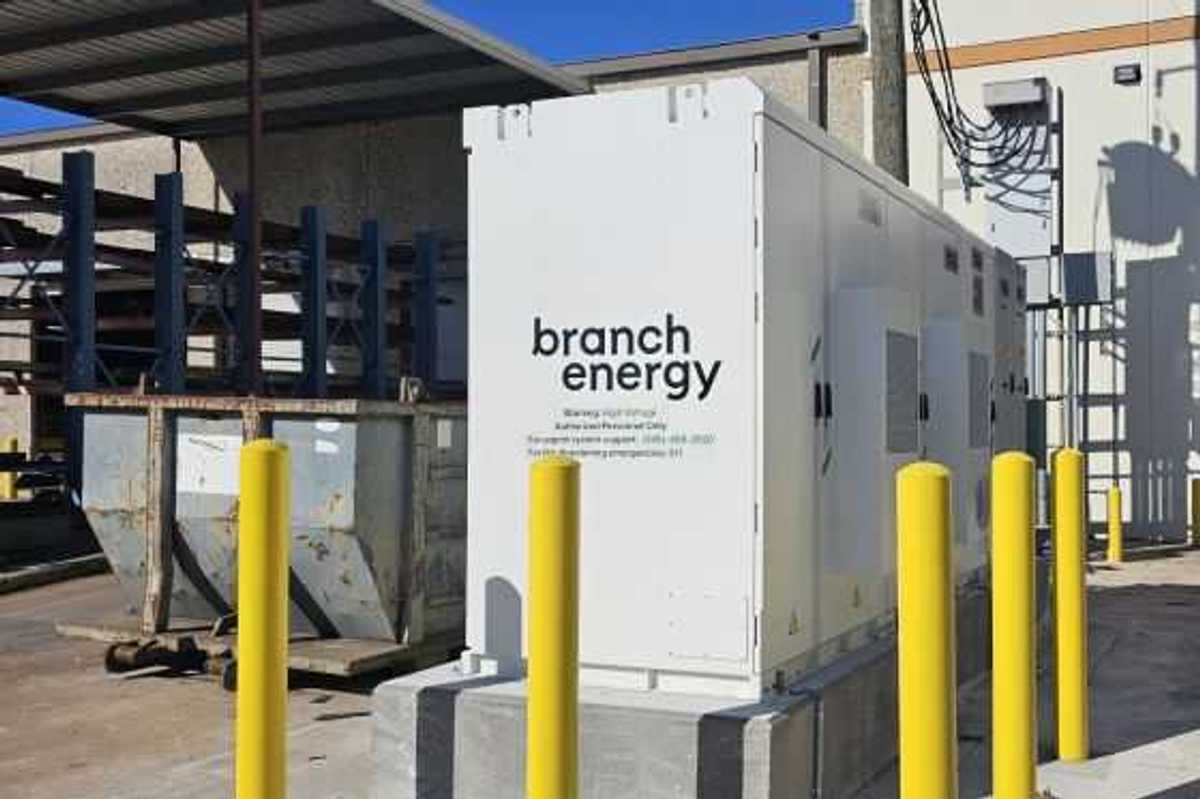
- Investing in generators and solar power, plus battery backup and bidirectional EV charging for all county libraries
- Providing more heating and cooling centers with charging stations
- Coordinating and deploying community microgrids, especially in neighborhoods prone to losing power
- Seeking partnerships and funding for low- or no-cost water purifiers for areas with the highest needs
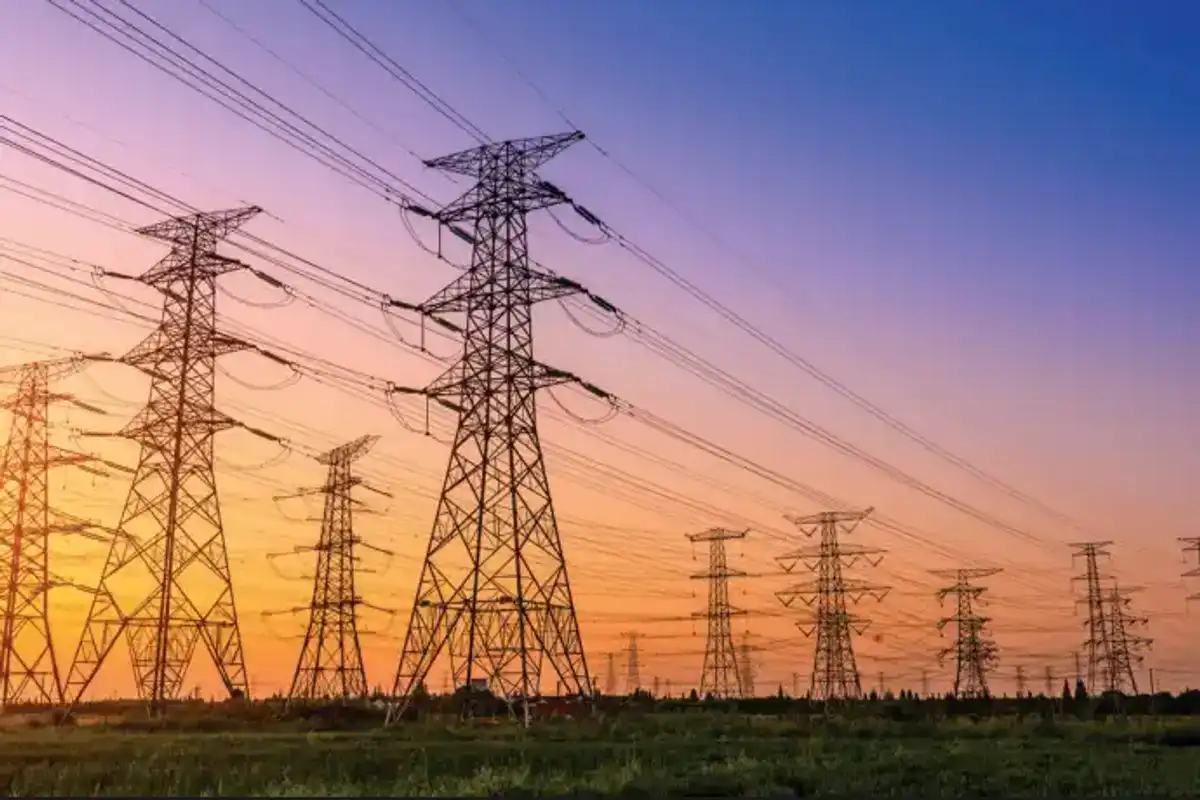
- Protecting the electric grid through regular maintenance and upgrading, and advocating for greater accountability and responsiveness among appointed officials
- Developing regulations to require resilient power line infrastructure to prevent outages and failures in new developments
Community and Culture
Housing, a strong economy and access to affordable and healthy food will be achieved under the community aspect of the plan. Under culture, the plan seeks to share knowledge and build trust. Key goals include:
- Developing a campaign to promote the use of the Harris County 311 system to identify critical community concerns
- Supporting the development of a Community Housing Plan that ensures stable and safe housing
- Advocating for revisions to Federal Emergency Management Agency (FEMA) disaster funding to account for renters’ losses and unmet housing needs
- Developing and funding a whole-home program for repairs, weatherization, and solar energy
- Developing culturally relevant public relations campaigns to increase knowledge of health, environment and biodiversity across generations
- City of Houston issues report highlighting progress of climate, sustainability plans ›
- Houston lands on the wrong end of national pollution report ›
- Hydrogen industry could have major impact on Texas water resources, study says ›
- What to know about the new emission inspection to register your car in Texas ›