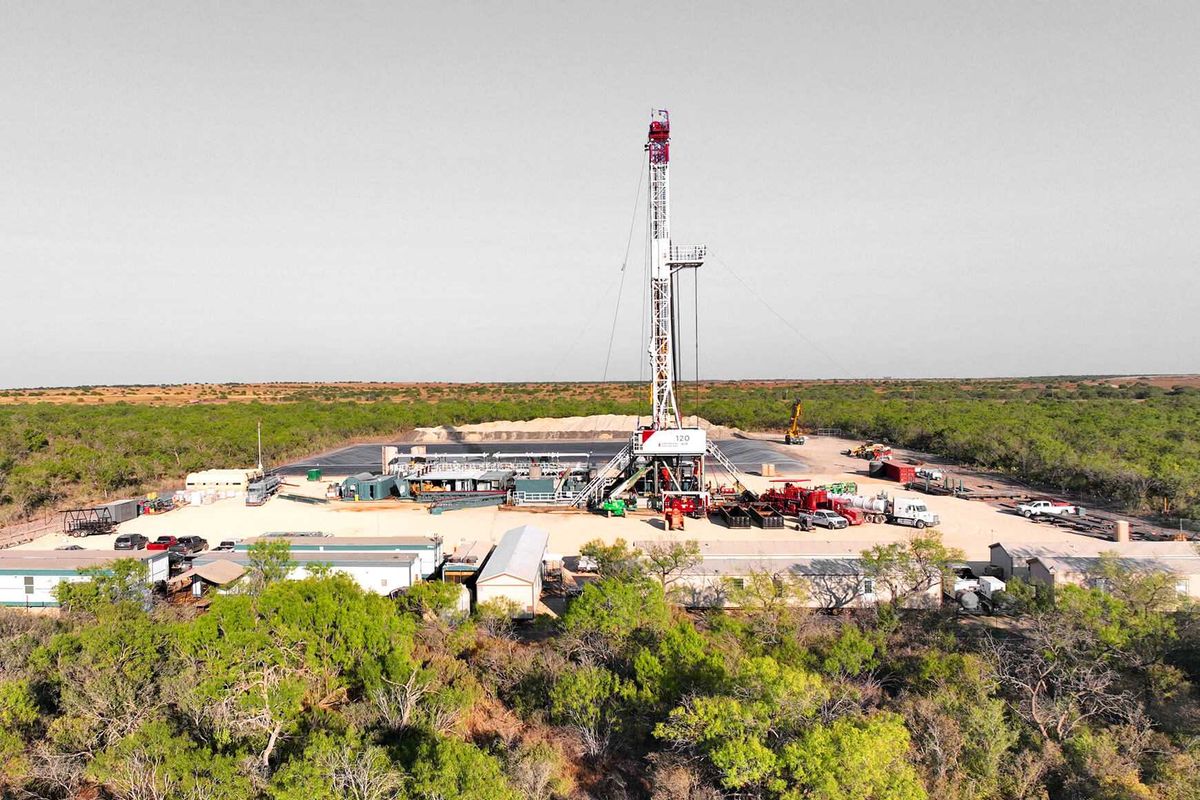
SLB and NVIDIA plan to build an "AI factory for energy" to help the industry transform massive amounts of data into actionable information. Photo courtesy SLB

Houston-based energy technology company SLB has expanded its 18-year tech collaboration with chipmaker NVIDIA to include the development of an “AI factory for energy.”

Through their partnership, SLB and NVIDIA will create AI infrastructure and models built around SLB’s existing digital platforms to help energy companies scale AI for data and operations.

In addition to the development of the “AI factory,” SLB will:

  • Provide modular design services to enhance NVIDIA’s blueprint for building, launching and operating gigawatt-scale AI data centers. In this case, modular design involves manufacturing data center components off-site.
  • Use NVIDIA’s AI infrastructure to improve the processing of large datasets and AI models across SLB’s digital platforms.

Energy companies generate vast amounts of operational data, which can slow down and silo decision-making, SLB says. By combining NVIDIA’s Omniverse libraries and its Nemotron open models with SLB’s digital and AI platforms, the companies aim to more rapidly transform data into actionable insights.

Omniverse libraries are sets of prebuilt 3D elements, such as objects, surfaces and interactive features, that make it easier to construct detailed virtual spaces without having to design everything manually. They’re commonly used for building immersive environments, digital replicas of real-world systems and simulation scenarios.

Nemotron open models are AI models that are freely available to download and modify. Instead of relying on a hosted service, you can run them on your own infrastructure and tailor them to fit specific needs.

Vladimir Troy, vice president of AI infrastructure at NVIDIA, says the energy sector is at the forefront of AI driving a “new industrial revolution.”

“The winners in AI will be companies with the best data, the deepest domain expertise, and the ability to scale,” Demos Pafitis, SLB’s chief technology officer, added. “By collaborating with NVIDIA to advance modular data center construction and harness our domain expertise and digital platforms, we’re enabling the energy industry to deploy AI at scale and transform operational data into smarter decisions.”
Ad Placement 300x100
Ad Placement 300x600

CultureMap Emails are Awesome

Fervo Energy bumps up IPO target to $1.82B

IPO update

Houston-based geothermal power company Fervo Energy is now eyeing an IPO that would raise $1.75 billion to $1.82 billion, up from the previous target of $1.33 billion.

In paperwork filed Monday, May 11 with the U.S. Securities and Exchange Commission, Fervo says it plans to sell 70 million shares of Class A common stock at $25 to $26 per share.

In addition, Fervo expects to grant underwriters 30-day options to buy up to 8.33 million additional shares of Class A common stock. This could raise nearly $200 million.

When it announced the IPO on May 4, Fervo aimed to sell 55.56 million shares at $21 to $24 per share, which would have raised $1.17 billion to $1.33 billion. The initial valuation target was $6.5 billion.

A date for the IPO hasn’t been scheduled. Fervo’s stock will be listed on Nasdaq under the ticker symbol FRVO.

Fervo, founded in 2017, has attracted about $1.5 billion in funding from investors such as Bill Gates-founded Breakthrough Energy Ventures, Google, Mitsubishi Heavy Industries, Devon Energy (which is moving its headquarters to Houston), Tesla co-founder JB Straubel, CalSTRS, Liberty Mutual Investments, AllianceBernstein, JPMorgan, Bank of America and Sumitomo Mitsui Trust Bank.

Fervo’s marquee project is Cape Station in Beaver County, Utah, the world’s largest EGS (enhanced geothermal system) project. The first phase will deliver 100 megawatts of baseload clean power, with the second phase adding another 400 megawatts. The site can accommodate 2 gigawatts of geothermal energy. Fervo holds more than 595,000 leased acres for potential expansion.

Cape Station has secured power purchase agreements for the entire 500-megawatt capacity. Customers include Houston-based Shell Energy North America and Southern California Edison.

Modular nuclear reactor company opens office in Houston

new to hou

The nuclear energy renaissance continues in Texas with an announcement by NuScale Power. The Oregon-based provider of proprietary and innovative advanced small modular reactor (SMR) nuclear technology announced in April it would be opening office space in Houston’s CityCentre.

“Opening this space in Houston underscores our commitment to meeting rising energy demand with safe, scalable nuclear technology,” John Hopkins, NuScale president and CEO, said in a news release. “This move expands our presence in a key market for partners, prospective customers, and stakeholders in addition to positioning us for the future as we focus on the near-term deployment of our industry-leading technology. Texas is leading the way in embracing advanced nuclear for grid resilience and industrial decarbonization, and we’re proud to expand our footprint and capabilities in this important region.”

Interest in nuclear power has been growing in recent years thanks to tensions with oil-rich nations, concerns about man-made climate change from fossil fuels, and the rapidly increasing power needs of data centers. Both Dow and Texas A&M University have announced expanded nuclear power projects in the last year, with an eye of changing the face of Texas’s energy industry through smaller, safer fission reactors.

Enter NuScale, founded in 2007 from technology developed at the University of Oregon. Their modular SMR technology generates 77 megawatts and is one of the only small modular reactors (SMR) to receive design approval from the U.S. Nuclear Regulatory Commission (NRC). These advances have led to runaway success for NuScale, whose stock has risen by more than 1,670 percent since the start of 2024.

The new operations campus in CityCentre is expected to facilitate the movement, installation and coordination of NuScale technology into the various energy systems. Typically, SMRs are used for off-grid installations, desalination operations, mining facilities and similar areas that lack infrastructure. However, the modularity means that they can be easily deployed to a variety of areas.

It comes none too soon. ERCOT projects that Texas data centers alone will require 77,965 megawatts by 2030.

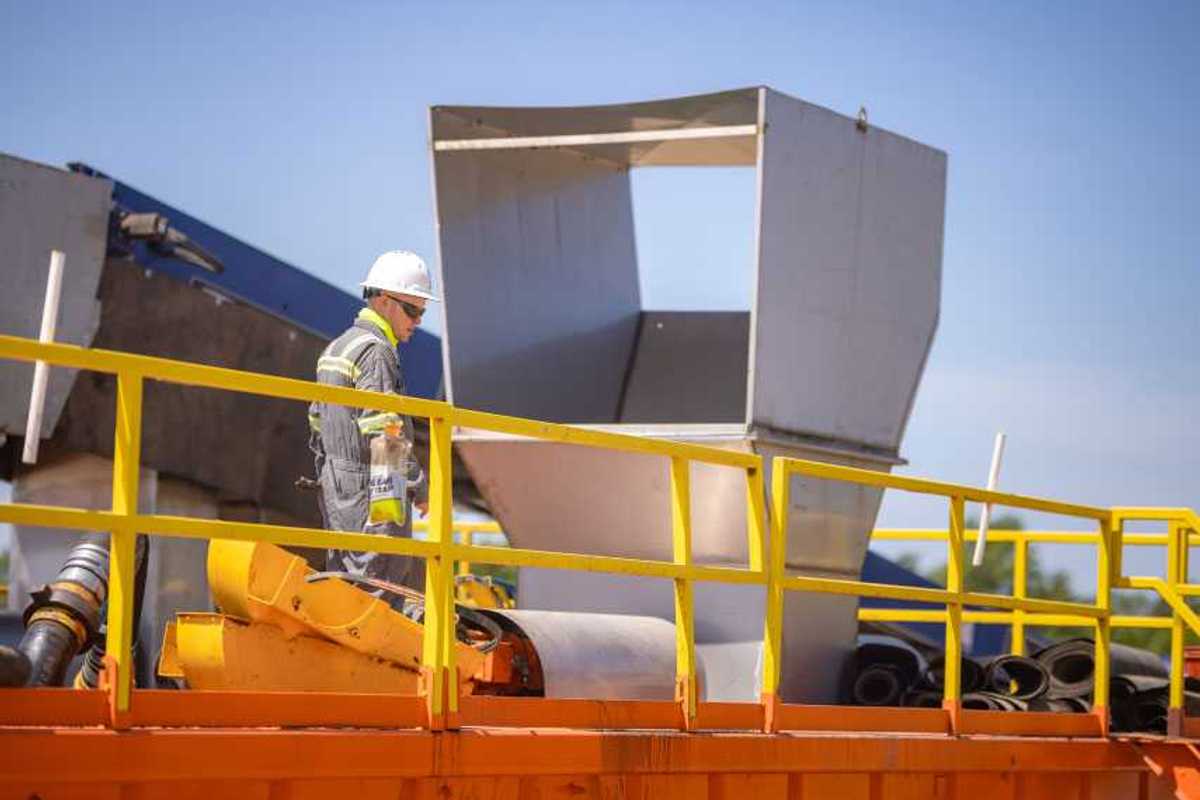
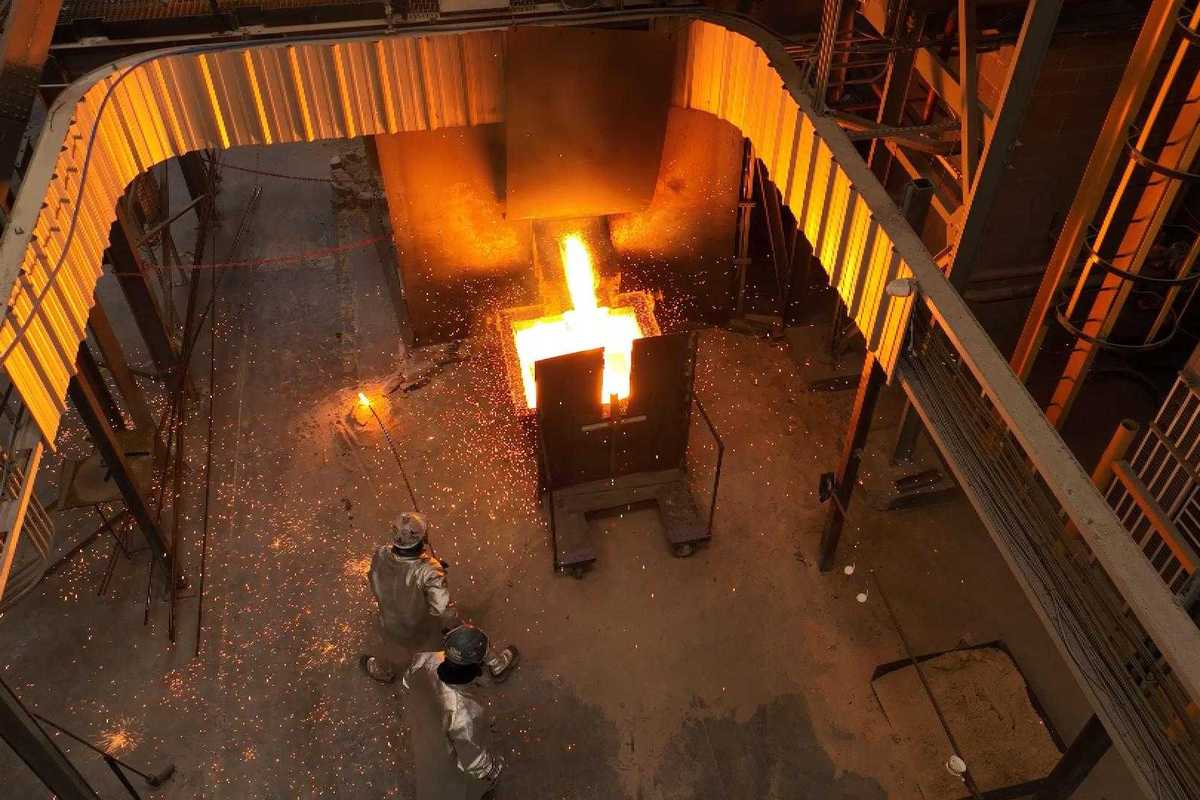
Houston battery recycling company secures $32M in financing

fresh funding

Houston-based Ace Green Recycling has raised $32 million in private investment in public equity (PIPE) financing to support its future plans for growth.

The battery recycling technology company secured the financing with Athena Technology Acquisition Corp. II, a publicly traded special purpose acquisition company that Ace previously announced it plans to merge with. Once the merger is completed, Ace will become a publicly traded company on the Nasdaq Stock Exchange under the ticker symbol "AGXI."

Ace says the financing will be used to complete the merger and scale the company.

“This investment accelerates our mission to redefine battery recycling at a global scale,” Ace CEO Nischay Chadha said in a news release. “At Ace, we are deploying Greenlead® and LithiumFirst™ as a new standard–fully electrified, Scope 1 emissions-free solutions designed to replace legacy processes and unlock a cleaner supply chain for critical materials. We believe that the future of electrification depends on how efficiently and sustainably we recover these resources, and this milestone brings us meaningfully closer to that future.”

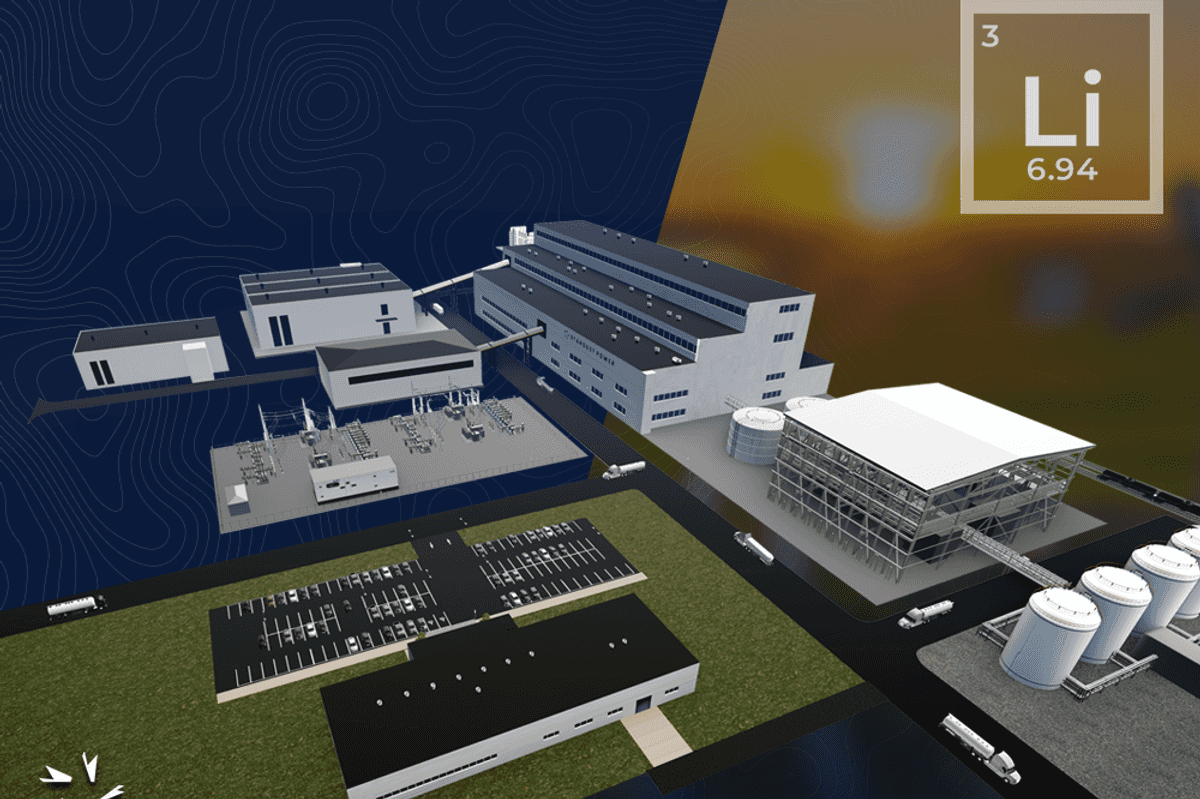
Ace says the funding will also be primarily used to fund capital expenditures related to the development of its planned flagship recycling facility, located outside of Beaumont, Texas. According to a February investor presentation, the facility is expected to launch in 2027. It will recycle lead-acid and lithium-ion batteries.

Ace agreed to a 15-year battery material supply agreement with Miami-based OM Commodities last year, in which OM Commodities would supply Ace with at least 30,000 metric tons of lead scrap to be recycled annually. Switzerland-based Glencore plc agreed to a 15-year offtake agreement to purchase up to 100 percent of ACE’s products from four of its planned lead-acid and lithium-ion battery recycling parks back in 2022.

Ace also reported that the funding will be put toward "supporting the expansion of operations and to fund the purchase of other companies," in the release.