








Editor's note: From a new Houston energy transition exec to strategic partnerships and acquisitions, these are the top headlines that resonated with EnergyCapital readers on social media and daily newsletter this week.
Greentown Houston announces new investor program to increase equity in climatetech funding
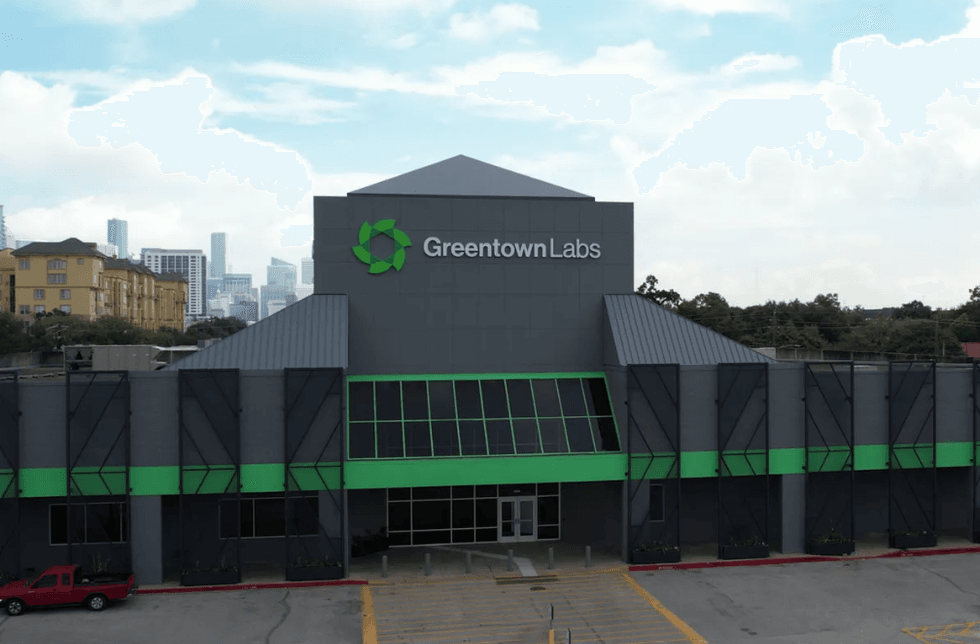
The Houston Ion District Investor Activation Program is open to accredited investors and free to join. Photo via GreentownLabs.com
Greentown Labs has announced a new program to address inequity and unavailability of funding for early-stage climatetech startups.
The Houston Ion District Investor Activation Program is supported by a Build to Scale Capital Challenge grant from the U.S. Economic Development Administration, open to accredited investors, and free to join.
Participating investors will have access to curated startup introductions based on preferred stage, industry, check size, and more, plus access to information on startups and investor-specific newsletters featuring Greentown startups invite-only events. Continue reading.
Innovative Houston energy company opens orders for groundbreaking tech following successful testing
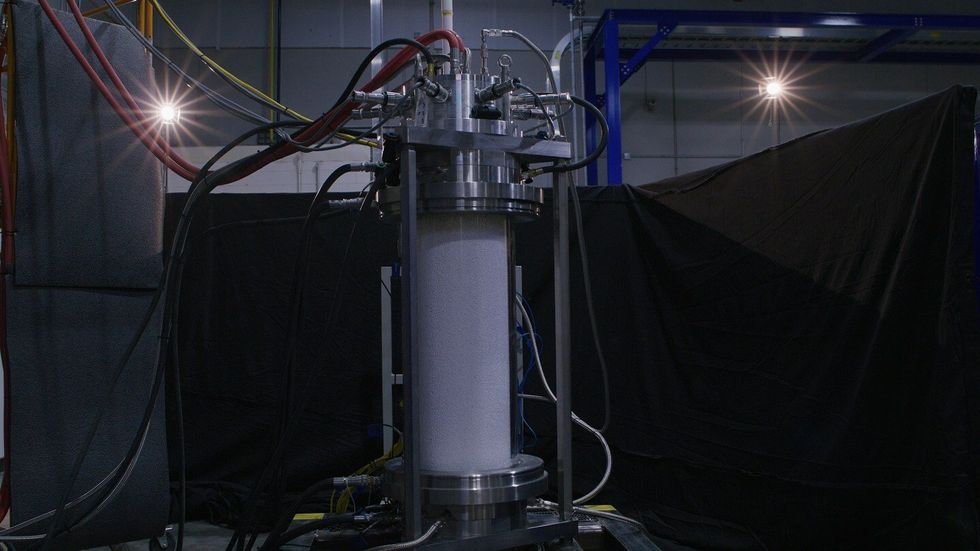
Syzygy has completed more than 1,500 hours of testing of the cell to generate hydrogen from ammonia. Photo via Syzygy
Houston-based Syzygy Plasmonics is charging ahead with the world’s first light-powered reactor cell for industrial chemical reactions.
Syzygy says its Rigel reactor cell has met initial performance targets and is now available to order. The cell enables a customer to produce up to five tons of low-carbon hydrogen per day.
Syzygy has completed more than 1,500 hours of testing of the cell to generate hydrogen from ammonia. Testing of the ammonia e-cracking cell began in late 2023 and is still taking place. Continue reading.
Houston energy transition leader to spearhead urban reforestation initiative

SCS Technologies named Jane Stricker, executive director of HETI, as the executive chairperson of its inaugural urban reforestation event next month. Photo via GHP
One of Houston's foremost energy transition leaders has been named to a community urban reforestation project from a Texas energy company.
Big Spring, Texas-based SCS Technologies named Jane Stricker, executive director of the Greater Houston Partnership’s Houston Energy Transition Initiative, as the executive chairperson of its inaugural urban reforestation event next month.
SCS, a provider of liquid hydrocarbon, water, and CO2 measurement systems, is holding the event on March 23 at the Galena Park Resource and Training Center in Galena Park, Texas, in collaboration with One Tree Planted and Trees for Houston. Continue reading.
Report: Texas shines as top state for new solar, battery capacity

Texas will make up 35 percent of new utility-scale solar capacity in the U.S. this year. Photo via Getty Images
On a state-by-state basis, Texas will account for the biggest share of new utility-scale solar capacity and new battery storage capacity in 2024, a new federal report predicts.
The report, published by the U.S. Energy Information Administration (EIA), says Texas will make up 35 percent of new utility-scale solar capacity in the U.S. this year, followed by California (10 percent) and Florida (six percent).
In 2024, EIA expects a record-setting addition of 36.4 gigawatts of utility-scale solar capacity across the U.S., nearly double last year’s record-setting addition of 18.4 gigawatts. One gigawatt of electric-generating capacity can power an average of 750,000 homes. Continue reading.
Houston-based energy storage fintech platform founder targets new market key to transition

Tierra Climate is technology agnostic, so while the company is seeing activity in the battery space, they can also work with other types of storage. Photo via Getty Images
If the energy transition is going to be successful, the energy storage space needs to be equipped to support both the increased volume of energy needed and new energies. And Emma Konet and her software company, Tierra Climate, are targeting one part of the equation: the market.
"To me, it's very clear that we need to build a lot of energy storage in order to transition the grid," Konet says on the Houston Innovators Podcast. "The problems that I saw were really on the market side of things." Continue reading.