




Trending News

The latest Houston energy breakthroughs + more top headlines for June

Cemvita reached a critical milestone in developing its FermOil product. Photo courtesy of Cemvita

Editor's note: June brings exciting news in the energy transition sector, from major milestones in clean energy production for Cemvita and Merichem to the release of the 2026 Fortune 500 list. Below are the five most-read stories published on EnergyCapitalHTX from June 1-14, 2026:

1. Houston startup strikes deal to develop hydrogen production plant in Canada
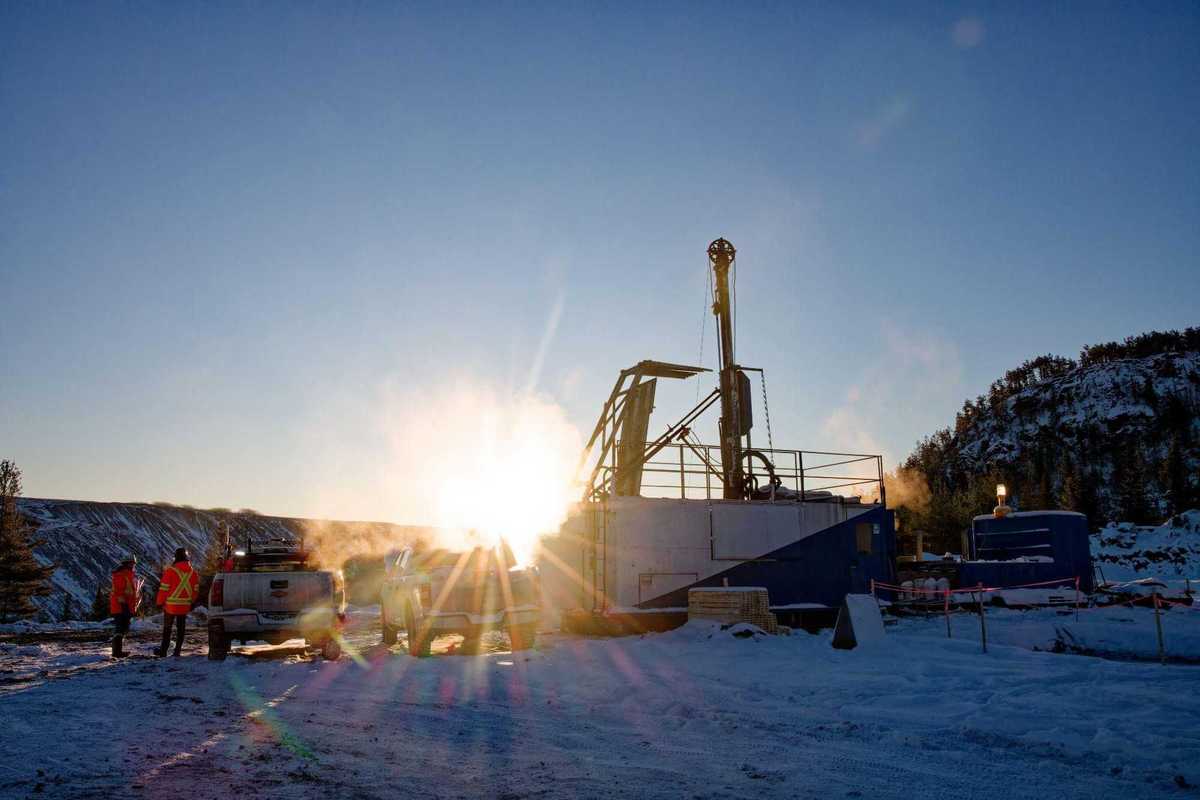
Houston-based cleantech startup Vema Hydrogen has reached a tentative agreement with Canada-based CHARBONE Corp. to develop a hydrogen production and processing plant in Québec. The deal would couple Vema’s production of engineered mineral hydrogen with CHARBONE’s purification, compression and distribution capabilities. Engineered mineral hydrogen, also known as orange hydrogen, is produced underground by accelerating naturally occurring geochemical reactions in iron-rich rock formations. Continue reading.

2. Cemvita reaches breakthrough in sustainable fuel feedstock production
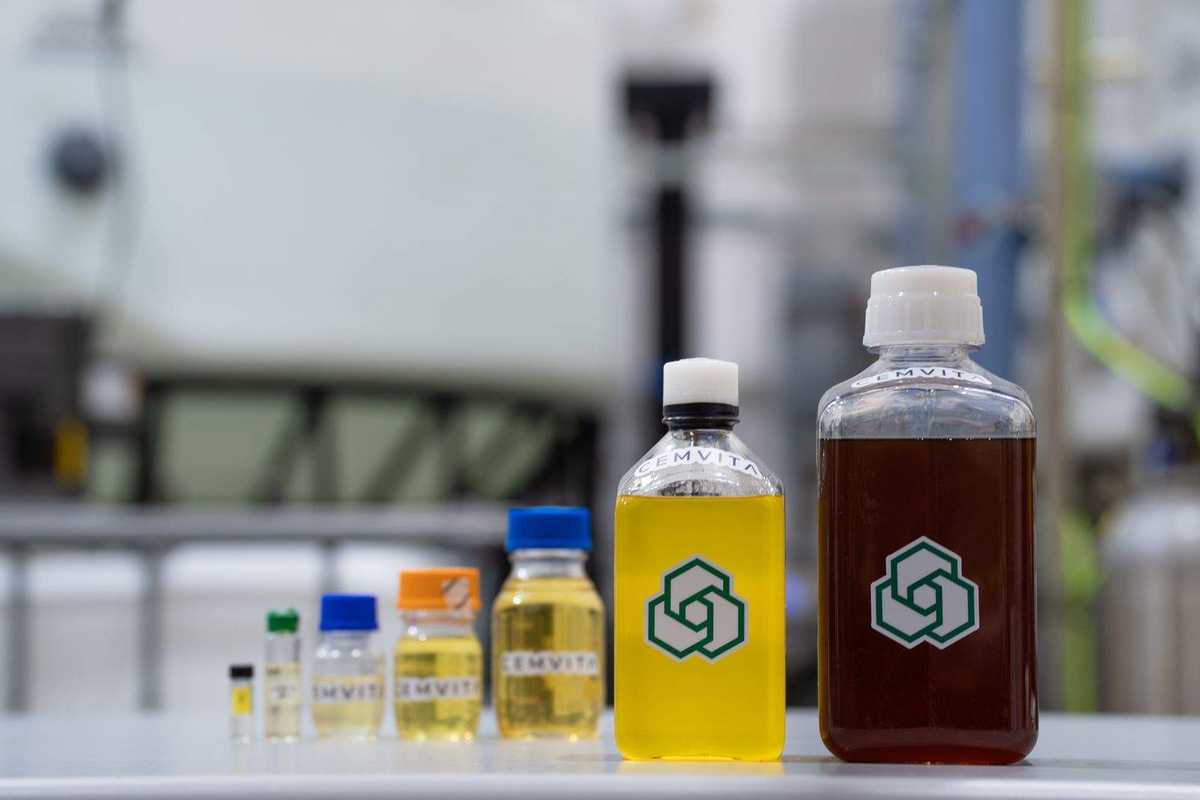
Houston-based biotech company Cemvita announced that it recently reached a critical milestone in the development of its FermOil product, which can be used to create Sustainable Aviation Fuel (SAF) and other renewable fuels at industrial scale. The company completed a 75,000-liter industrial fermentation run at Belgium's Bio Base Europe Pilot Plant. The campaign achieved target technical metrics for the production of FermOil, Cemvita’s renewable natural oil (RNO). Continue reading.

3. Houston chemical co. completes successful field trial of cleaner natural gas processing tech
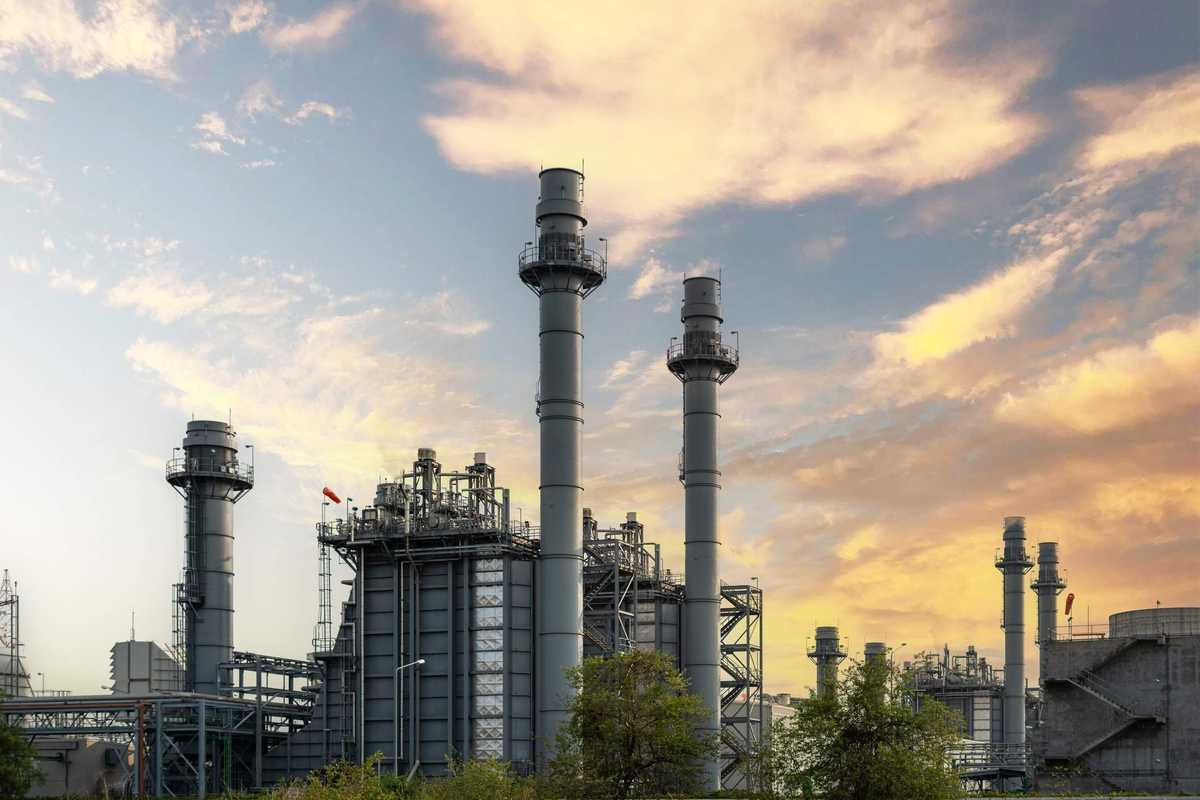
Houston-based Merichem Technologies has announced successful results from the field trial of its new hydrogen sulfide (H2S) removal technology in the Permian Basin. The technology, known as ECOTREAT, removed more than 99 percent of hydrogen sulfide gas from natural gas streams, or “sour gas,” without producing solid waste during the month-long trial. It also showed sustained performance even when operating above the unit’s design capacity. Continue reading.

4. 6+ must-attend Houston energy transition events for June 2026
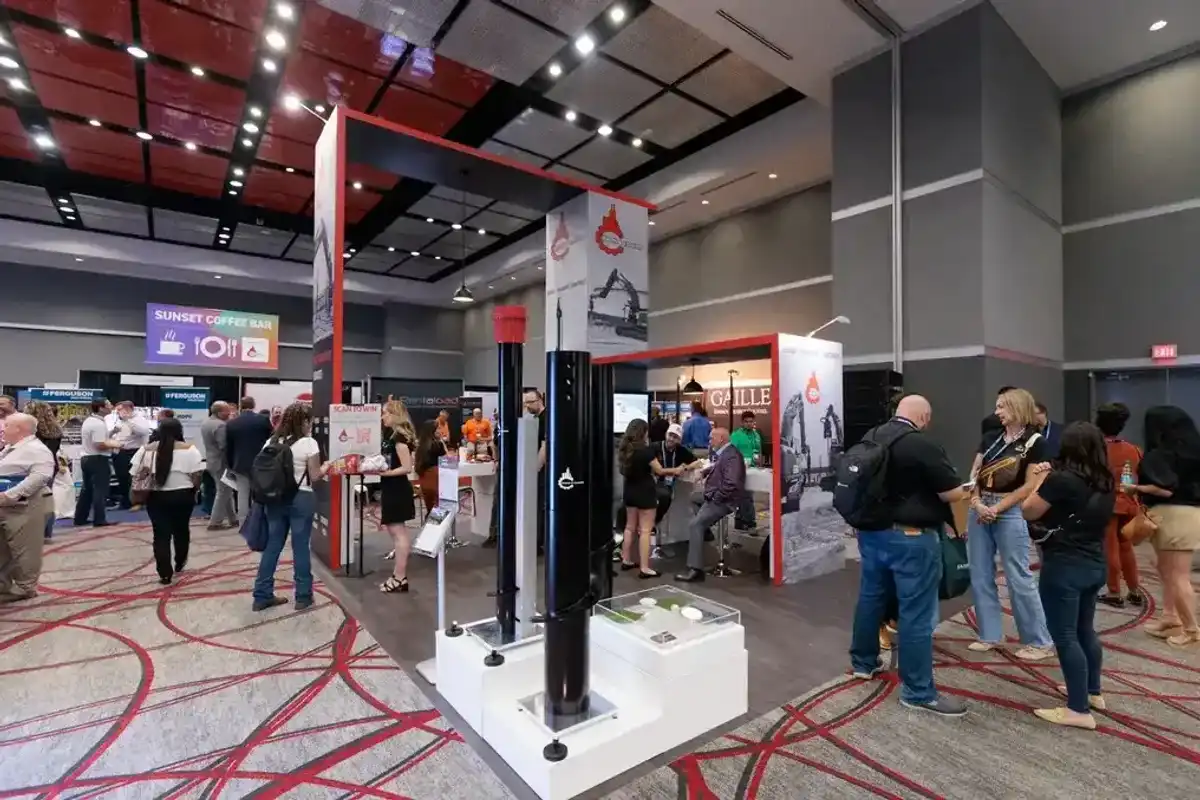
Editor's note: Summer is here, and June brings a slate of must-attend events for those in the energy transition sector. The month continues with EPC Show and InnovateEnergy Week. Mark your calendars and register now. Continue reading.

5. Houston lands 27 Fortune 500 headquarters, led by energy heavyweights
Houston is a giant among U.S. hubs for corporate headquarters. The 2026 Fortune 500 lists 27 companies based in the Houston area, with many energy companies claiming top spots. Houston ties with Chicago for the second-most Fortune 500 headquarters, preceded only by New York City (53). Dallas-Fort Worth is home to 23 Fortune 500 headquarters. Texas leads the nation for Fortune 500 headquarters (57), with California in the No. 2 spot and New York at No. 3. Continue reading.

Trending News

A View From HETI

The carbon capture technology is small enough to fit inside a standard 40-foot shipping crate. Photo via Unsplash

Two scientists from the University of Houston have been experimenting with new carbon capture systems that fit inside a standard shipping container, which have the potential to make eliminating carbon output from industrial sites much easier.

The capture of industrial carbon is an important complement to the fight against climate change, as well as winning tax credits for businesses that use carbon capture technology.

The problem is that such systems are often measured in acres, making them expensive to build and extremely power-hungry to actually use. UH Engineering Professor Mim Rahimi and former UH Ph.D. student Ahmad Hassan (now a postdoctoral associate at Harvard) have managed to fit their new system, the Small Modular Electrochemical Container (SMECs), inside a standard 40-foot shipping crate, making them compact and modular enough to be installed almost anywhere for operations of all sizes. Their research was recently published in the journal Environmental Science & Technology.

“With a conventional system, you’re building a 130-foot-tall structure designed for a specific power plant. With our technology, we can adjust the capacity by simply turning containers on or off,” Rahimi said in a news release. “That flexibility is particularly important for data centers, where electricity can come from a combination of natural gas and renewable sources.”

Rahimi and Hassan used simulated gas models to show that under optimal conditions, the SMEC used electrochemically mediated amine regeneration (EMAR) cells developed in Rahimi’s lab to capture 90 percent of carbon under optimal conditions through 300 cycles over 50 hours.

Encouraged, the team then modeled a 360-megawatt natural gas power plant associated with OpenAI’s Stargate AI data center project in Abilene, Texas. In addition to the savings on infrastructure costs, 20 of the researchers’ shipping container systems were able to capture 98 percent of carbon from Stargate’s 875-acre campus based on the model.

The looming energy costs and subsequent carbon emissions from data centers are a real concern. Estimates from the U.S. Department of Energy hypothesize that 12 percent of America’s energy needs could be gobbled up by the centers as soon as 2028. That is a massive new source of carbon. The flexibility of the SMEC means they can be deployed wherever the centers spring up.

“We’re taking a technology that traditionally requires enormous infrastructure and finding a way to fit it inside a shipping container,” Rahimi added in the release. “That opens up entirely new possibilities for how and where carbon capture systems can be used.”

In the future, the researchers say they plan to look at ways to adapt the technology to capture carbon dioxide directly from the atmosphere.

Trending News