








Editor's note: As we approach the end of March, it's time to look back at the hottest energy transition news from the second half of the month. Here are the top five trending EnergyCapital stories from March 14-28, from CERAWeek key takeaways to a look at the Texas grid vs. extreme weather.
1. Houston energy expert shares key takeaways from CERAWeek 2025
 Environmental services firm names Houston energy leader to board
Barbara Burger shares her CERAWEEK takeaways with EnergyCapital. Courtesy photo
What a difference a year makes. I have been coming to CERAWeek for as long as I can remember and the Agora track within CERAWeek since it originated. Although freshness likely distorts my thinking, I cannot remember a CERAWeek that seemed so different from the previous year's than this one.
This certainly isn’t a comprehensive summary of the conference, but some of my key take forwards from last week's events. Continue reading Barbara J. Burger's takeaways.
2. Houston-led project earns $1 million in federal funding for flood research
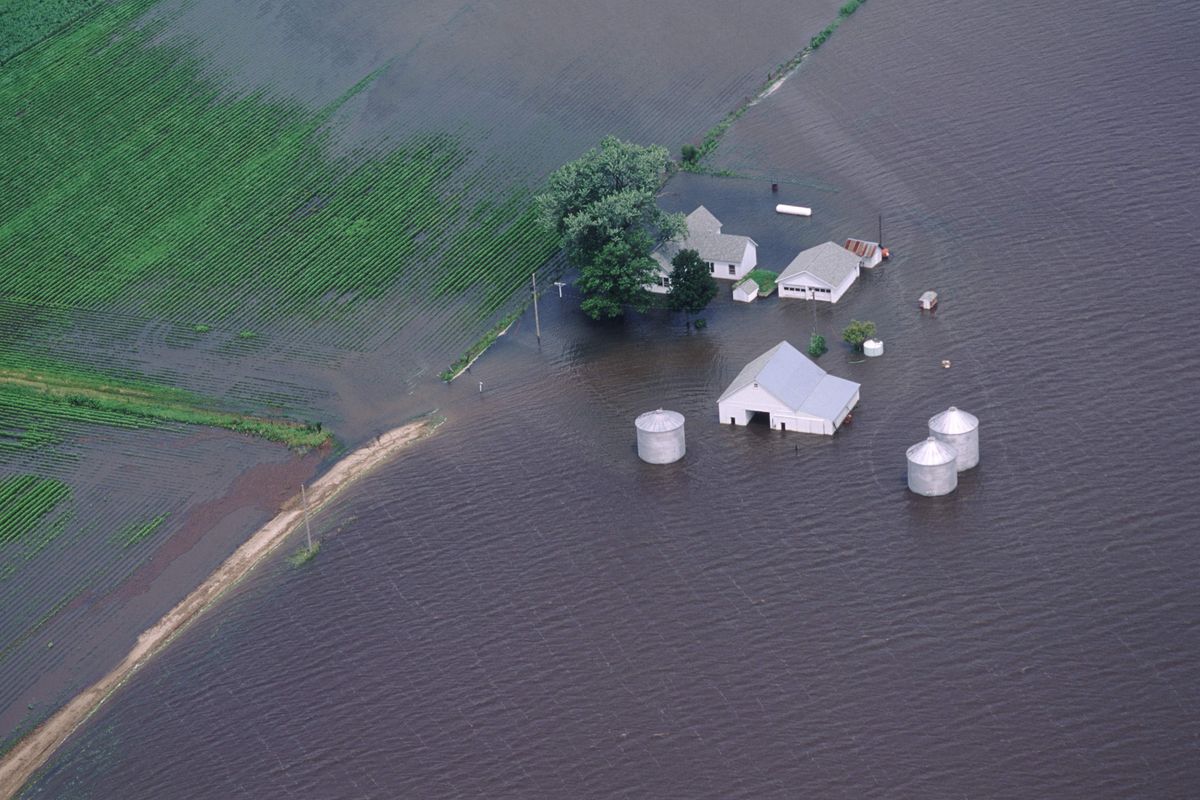
A team of Texas researchers has landed a nearly $1 million NSF grant to address rural flood management challenges with community input. Photo via Getty Images.
A team from Rice University, the University of Texas at Austin and Texas A&M University has been awarded a National Science Foundation grant under the CHIRRP—or Confronting Hazards, Impacts and Risks for a Resilient Planet—program to combat flooding hazards in rural Texas.
The grant totals just under $1 million, according to a CHIRRP abstract. The proposal includes work that introduces a “stakeholder-centered framework” to help address rural flood management challenges with community input. Continue reading.
3. Can the Texas grid handle extreme weather conditions across regions?
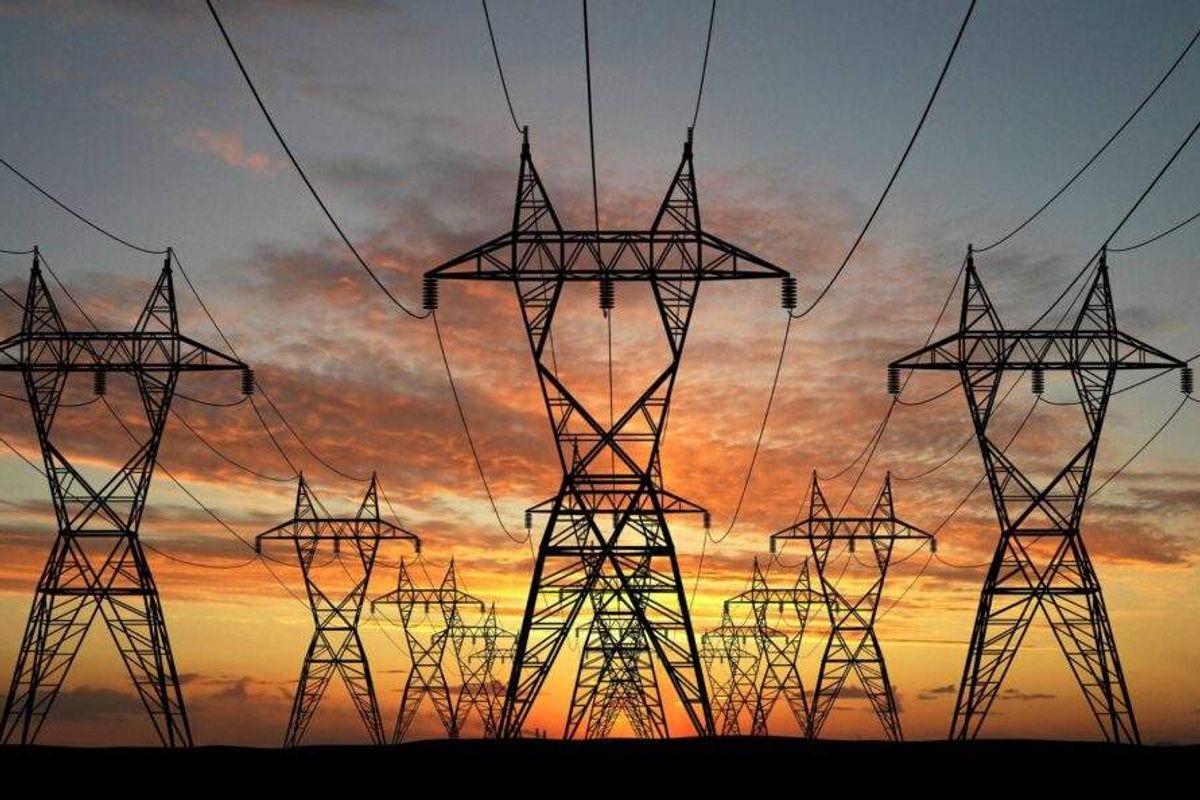
Texans are facing extreme weather at every turn — can the grid withstand these events? Photo via heimdallpower.com
From raging wildfires to dangerous dust storms and fierce tornadoes, Texans are facing extreme weather conditions at every turn across the state. Recently, thousands in the Texas Panhandle-South Plains lost power as strong winds ranging from 35 to 45 mph with gusts upwards of 65 mph blew through. Meanwhile, many North Texas communities are still reeling from tornadoes, thunderstorms, and damaging winds that occurred earlier this month.
With the extreme weather conditions increasing in Texas and nationally, recovering from these disasters will only become harder and costlier. When it comes to examining the grid’s capacity to withstand these volatile changes, we’re past due. As of now, the grid likely isn’t resilient enough to make do, but there is hope. Continue reading Sam Luna's column here.
4. CERAWeek announces winners of annual clean tech pitch competition

The teams at this year's Energy Venture Day and Pitch Competition have collectively raised $435 million in funding. Photo courtesy of CERAWeek
Teams from around the world and right here in Houston took home prizes at the fourth annual Energy Venture Day and Pitch Competition at CERAWeek on March 12. The fast-paced event, put on by Rice Alliance, Houston Energy Transition Initiative and TEX-E, invited 36 industry startups and five Texas-based student teams focused on driving efficiency and advancements toward the energy transition to present at 3.5-minute pitch before investors and industry partners during CERAWeek's Agora program. The competition is a qualifying event for the Startup World Cup, powered by Pegasus Venture, where teams compete for a $1 million investment prize.
The teams at this year's Energy Venture Day have collectively raised $435 million in funding. Rice University student teams took home two of the three top prizes in the competition. Continue reading.
5. New report shows Texas led nation in solar and battery growth in 2024
Texas outpaced all other states in various categories of power generation in 2024, according to a new report from Ember, an energy think tank. File photo
The winds of change in power generation are sweeping through Texas.
Texas outpaced all other states in various categories of power generation in 2024, according to a new report from Ember, an energy think tank. The report shows that Texas contributed more (12 terawatt-hours) to the country’s 64 terawatt-hour rise in solar generation last year than any other state. Continue reading.