critical minerals
UH team lands $2.9M DOE grant to develop next-gen magnets with AI
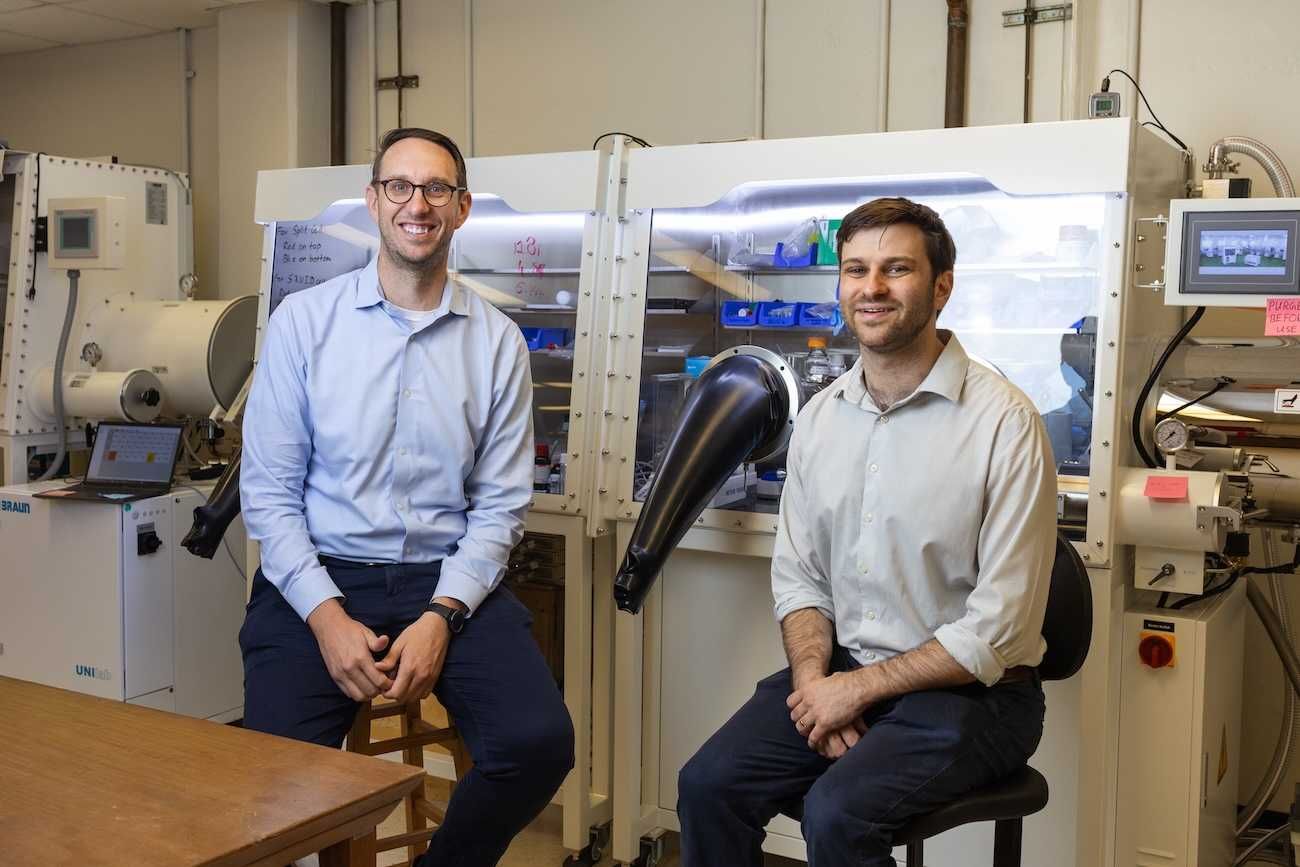
The high-performance permanent magnets are vital components in electric vehicles, industrial motors, generators, electronics and other advanced technologies. Photo courtesy UH
University of Houston researchers are leading an effort to find alternatives to a key element of the U.S. economy.
A UH-led coalition is exploring the use of AI to design and manufacture next-generation permanent magnets for the energy and industrial sectors. The project seeks to develop new, more sustainable magnets that reduce U.S. reliance on vulnerable foreign sources of critical minerals, primarily China.
A nearly $2.9 million grant from the U.S. Department of Energy supports the work.
“Rare earth elements, critical minerals, and magnets are indispensable to American energy, industry, and national security,” Conner Prochaska, director of the Advanced Research Projects Agency–Energy, said in a news release. “These projects will accelerate domestic mineral discovery and develop ultra-powerful magnets to mobilize U.S. critical mineral reserves, safeguard supply chains, and protect American energy and economic interests.”
Over the three-year grant period, principal investigator Jakoah Brgoch, a chemistry professor at UH, will head the Guided AI for Magnetic Boride/Carbide Intermetallic Technologies (GAMBIT) project. Brgosh was one of seven new senior members from UH named to the National Academy of Inventors earlier this year.
Other members of the team include Joshua Bocarsly, an assistant professor in the UH chemistry department; scientists at Rice University; and Houston-based startup Newfound Materials, which occupies space at Greentown Labs.
The UH-led team aims to surpass the properties of neodymium iron boron, the current industry-standard material for high-performance permanent magnets. These magnets are vital components in electric vehicles, industrial motors, generators, electronics and other advanced technologies.
“Strong magnets are used all over our economy. For example, many modern air-conditioning systems rely on permanent-magnet motors to drive compressors and blower fans,” Brgoch said.
“This has been a longstanding challenge to think about how we replace these magnets with high-performing and more reliable materials, and optimization by just replacing elements is not working,” Brgoch added. “Our goal is to use AI to find entirely new materials while simultaneously balancing these supply constraint concerns.”
The research team will work on discovering and testing potential magnet replacements. According to UH, the project’s ultimate goal is to commercialize the magnets through a new startup or by expanding Newfound Materials’ business units. The local startup has developed a predictive engine for materials research and development.